In recent weeks, a strange pattern of online behavior has begun circulating across social media platforms, quietly attaching itself to familiar political names.
At first glance, the posts appear scattered and disorganized. Screenshots, old photographs, and speculative captions are shared without context, drawing curiosity before revealing their intent.
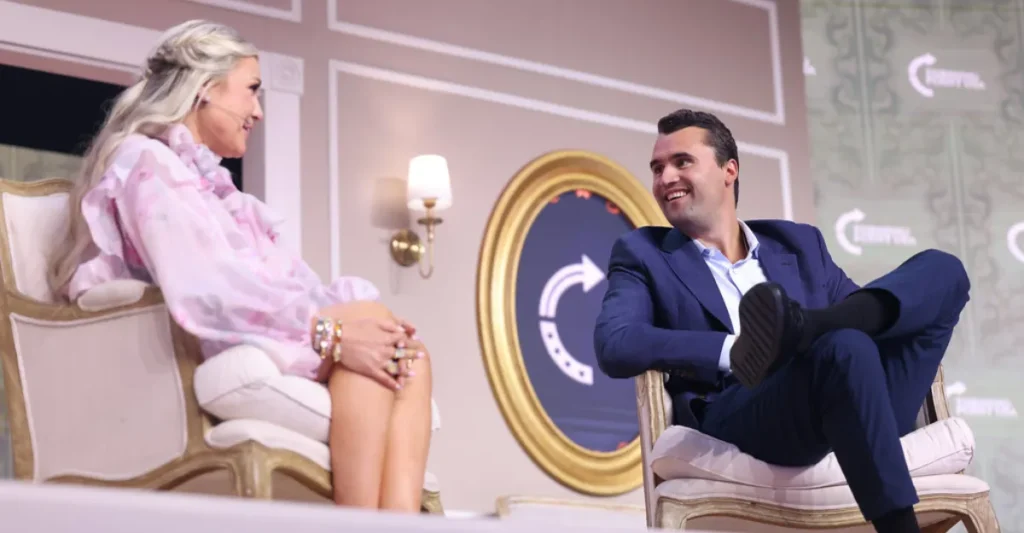
Charlie Kirk, the conservative activist best known for founding Turning Point USA, is no stranger to online controversy. His outspoken views have long made him a polarizing figure in American politics.
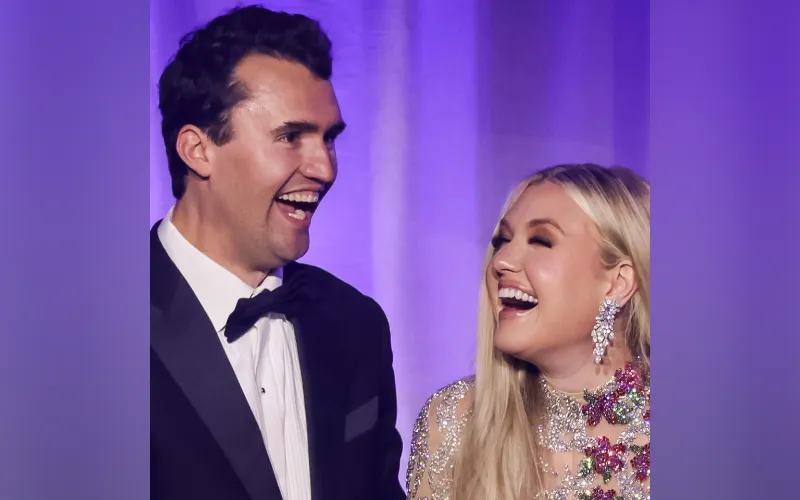
Following his d*ath at a live debate event in Utah earlier this year, public attention naturally shifted toward his family and the future of the organization he built.
His widow, Erika Kirk, soon stepped into a visible leadership role. As she began appearing at political events and alongside senior Republican figures, her public profile grew rapidly.
With that visibility came a darker form of attention. Online forums and private groups began circulating claims about her appearance, background, and identity.
At the center of this activity is a fringe internet movement known as Transvestigating. Participants claim to expose public figures as secretly transgender through amateur analysis of facial features and body proportions.
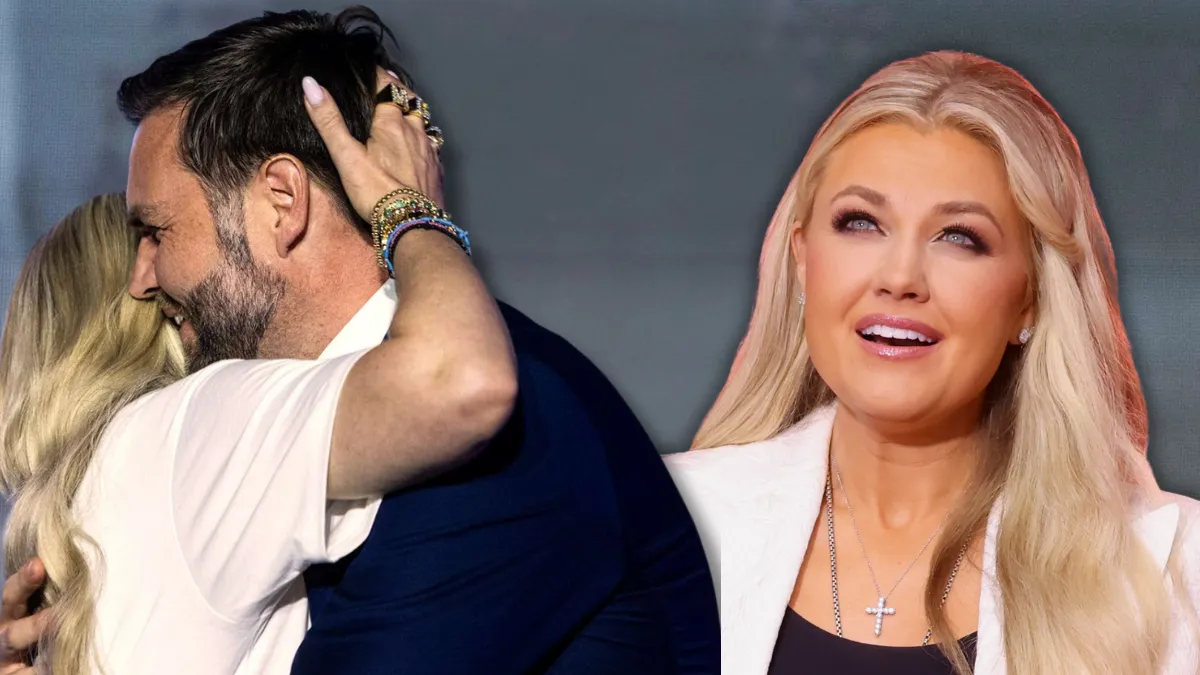
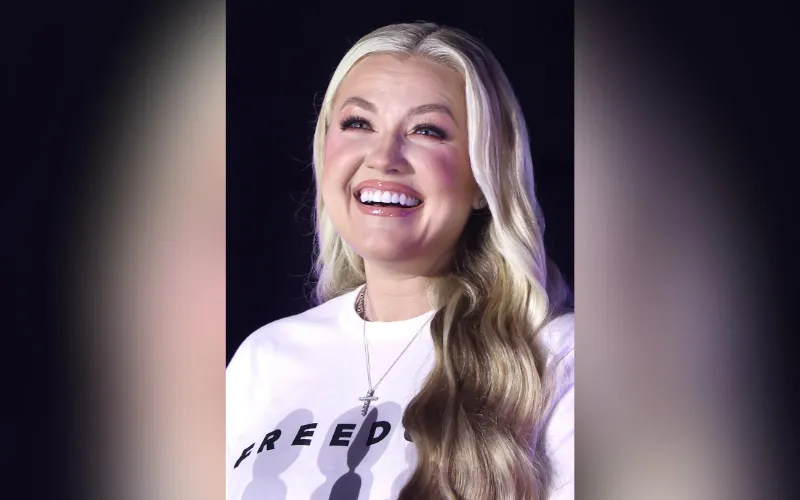
Supporters of the theory rely heavily on photographs, particularly from modeling or pageant years, presenting personal interpretations as hidden truths.
Screenshots from a Facebook group with tens of thousands of members show users dissecting Erika Kirk’s pageant photos, pointing to her jawline and posture as supposed evidence.
One widely shared comment claimed, “That is a man, as most pageant winners are,” reflecting the tone common within these spaces.
The fixation has not stopped with Erika. Some posts have also targeted Charlie Kirk himself, retroactively framing his appearance as part of the same conspiracy narrative.
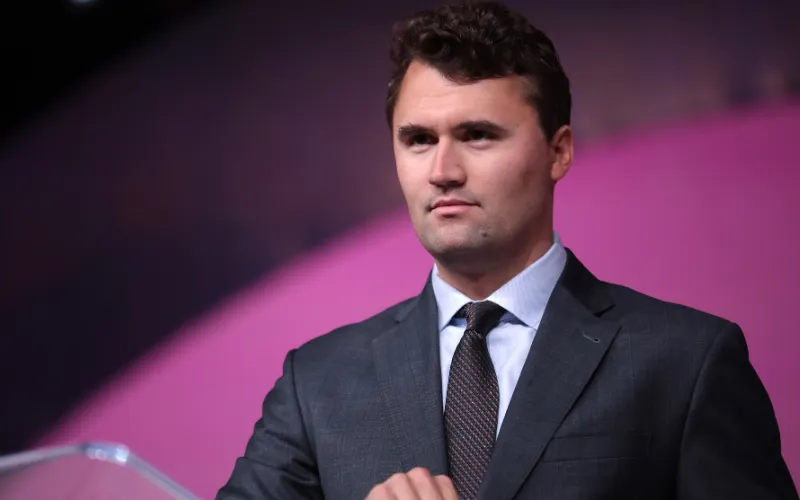
“That’s why Charlie Kirk seemed so feminine,” one user wrote. “That’s why he was so pretty.”
The movement is not new. Since around 2017, similar claims have been directed at celebrities, athletes, and political figures, particularly women.
Researchers and journalists who track online extremism say the pattern is consistent. Emotional moments, high visibility, and public grief often act as entry points for conspiratorial thinking.
Names frequently pulled into these theories include Michelle Obama, Beyoncé, Serena Williams, and Taylor Swift, all without evidence or factual basis.
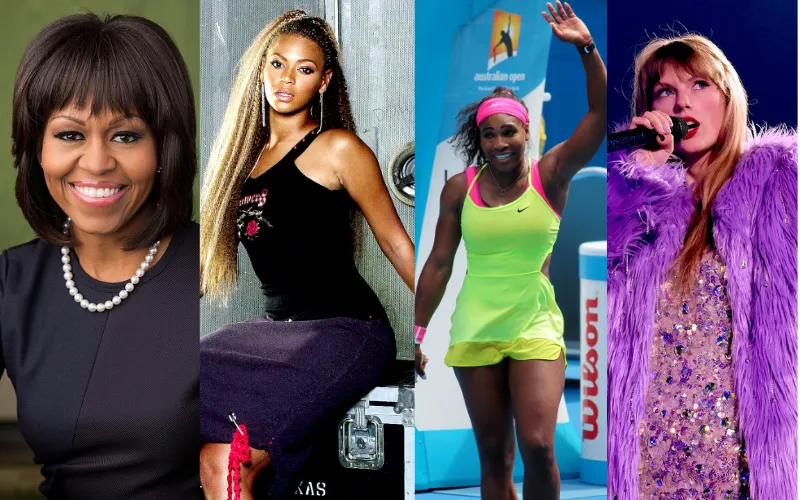
Some versions of the theory spiral further, tying transgender claims to broader narratives about secret global control and institutional coverups.
Despite the confidence displayed in these posts, no credible evidence supports the claims. Medical professionals and scientists have repeatedly dismissed the idea that gender identity can be determined through appearance alone.
Erika Kirk has publicly criticized conspiracy culture in recent appearances, urging people to stop speculating about her family and to respect basic boundaries.
The episode highlights how easily misinformation can transform into targeted harassment, even when directed at someone navigating personal loss.
What begins as fringe chatter can quickly become organized fixation, fueled by algorithms and online echo chambers.
In this case, the theory has attached itself to a grieving widow and a well known political name, revealing less about its targets and more about the movement behind it.
And that is the core of what transvestigating truly represents. Not investigation or truth seeking, but a pattern where suspicion becomes entertainment and identity becomes a weapon.
Featured Image Credit: (Flickr)