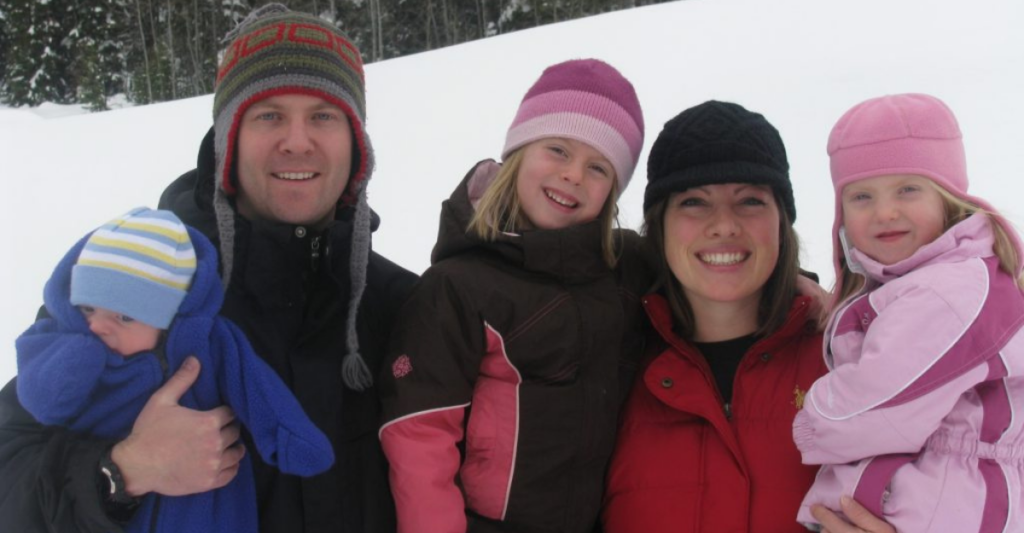
What began as a routine family ski trip ended in a tragedy that forever changed the lives of Chauncy and Kelli Johnson and reshaped how they view safety on the slopes.
On Christmas Eve in 2010, the Johnson family visited their local ski mountain in Casper, Wyoming. Their daughters Elise, five, and Camilla, three, were excited to ski, while Kelli’s parents stayed in the lodge to care for the couple’s four month old son.
Kelli took Elise onto a short blue run, while Chauncy stayed with Camilla on the beginner hill. Midway down the slope, Kelli stopped briefly at the side to fix Elise’s ski, a pause that would prove fatal.
A snowboarder traveling at an estimated 50 to 60 miles per hour struck them from behind. The force of the collision sent Elise roughly 50 feet through the air. She broke her neck and di*d at the scene.
The snowboarder, identified as 23 year old Craig Shirley, was also thrown dozens of feet and di*d from blunt force trauma.
Kelli survived but suffered a traumatic brain injury that left doctors unsure if she would wake up. She later had to relearn how to walk and swallow and did not remember the collision or that Elise had di*d.
“She still doesn’t remember the moment of impact, which is actually a blessing,” Chauncy told. “I also feel fortunate not to have witnessed it, because the aftermath was so traumatic.”
After returning home months later, Chauncy struggled deeply with grief. Over time, his pain turned into a determination to understand how such a tragedy could happen and how others could be protected.
“I’d think about how I could make the mountain safer, even just for me to feel good about going back to skiing again,” he said.
In 2016, Chauncy reached out to the National Ski Areas Association to encourage stronger safety awareness around speed and collisions. That effort eventually led to the creation of the Snow Angel Foundation in 2023.
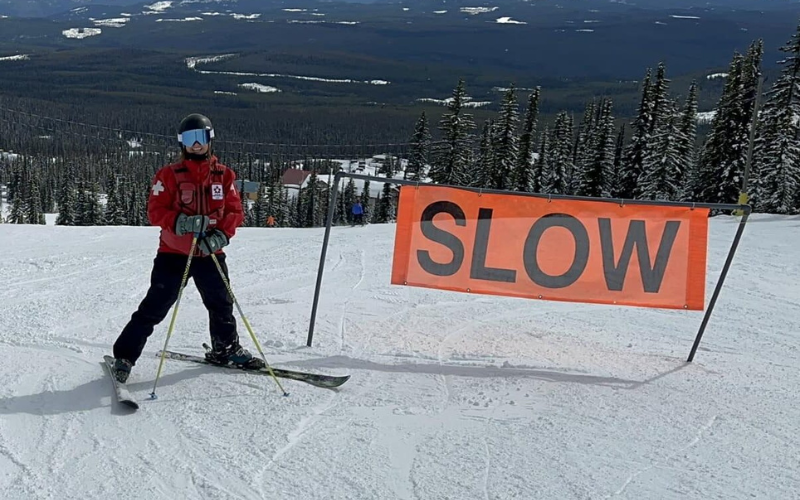
The nonprofit focuses on educating skiers, snowboarders, and youth groups about responsible behavior on the slopes. Its stark message, “She was five. You were doing 50,” highlights the dangers of excessive speed.
“We need to be more open about safety conversations on the mountain and give people better tools to mitigate risk,” Chauncy said.
Reports later revealed that Elise was the only person involved in the crash wearing a helmet. Safety officials stressed that helmets alone cannot prevent tragedies caused by loss of control.
“Skiing in control and being aware of others should be the first line of defense,” National Ski Areas Association spokesman Troy Hawks said.
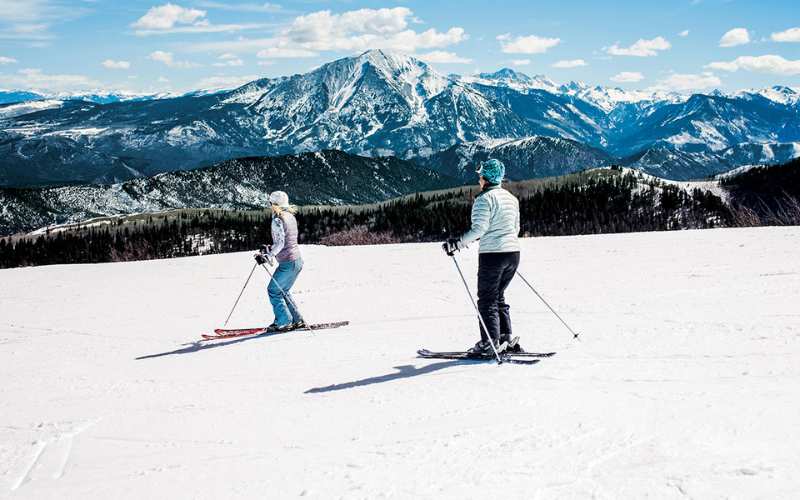
Today, the Johnsons continue to ski with their four children, using Elise’s story to urge others to slow down and stay alert. Their message is simple and urgent. On crowded slopes, speed can cost lives.
Featured Image Credit: (Summit Daily)