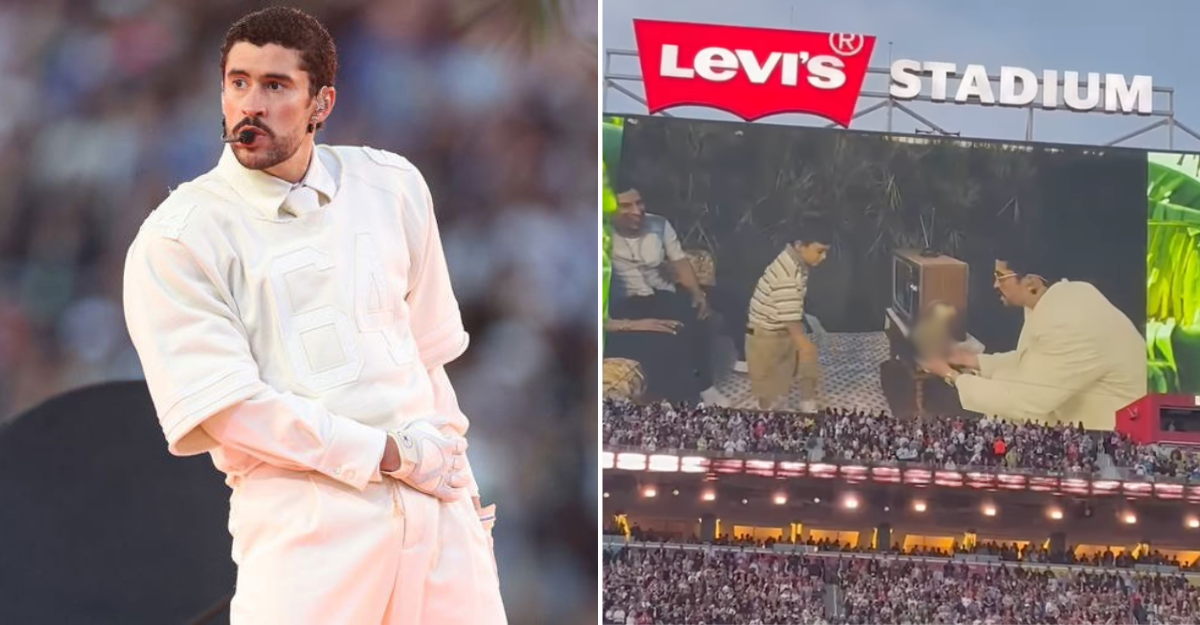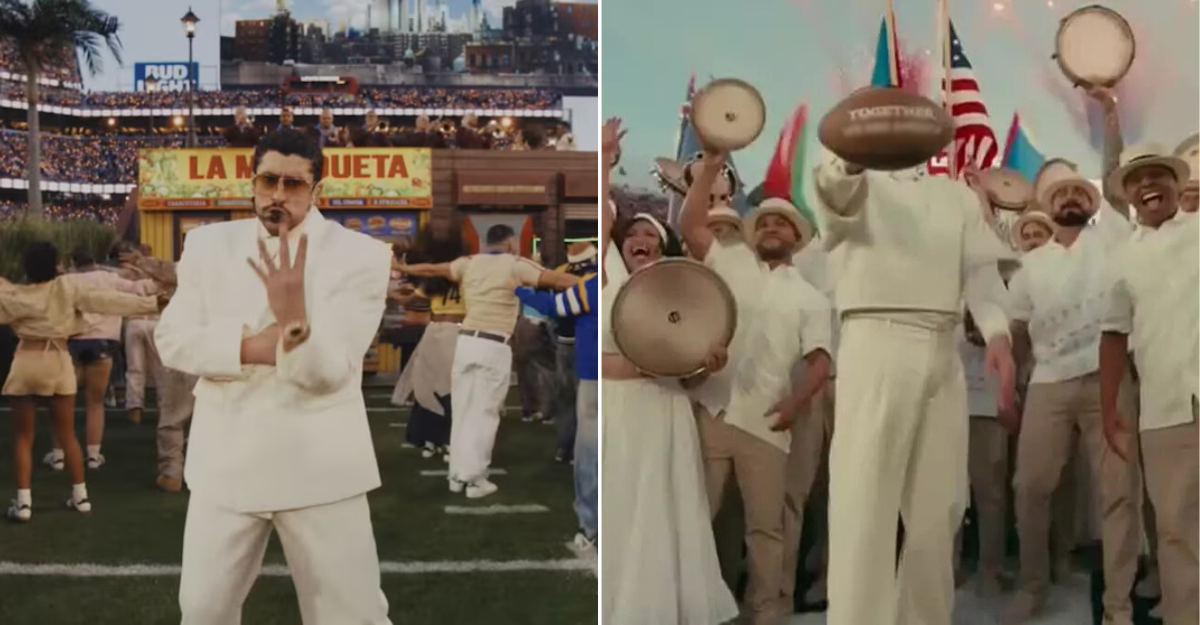
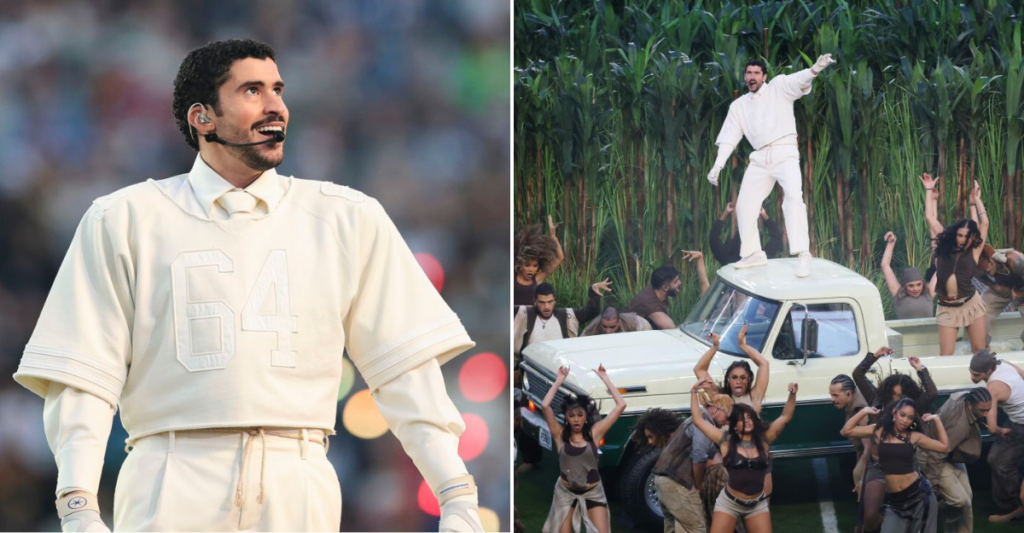
When the NFL announced Bad Bunny as the Super Bowl LX halftime headliner, the news quickly reverberated across the global music and sports industries.
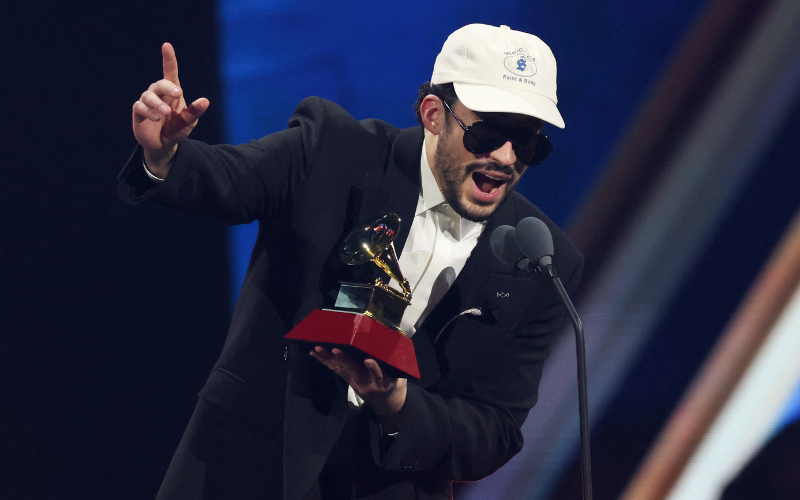
Fresh off a historic night at the Grammy Awards, the Puerto Rican superstar was confirmed to take the stage at one of the most watched television events in the world.
The performance, scheduled for February 2026 in the Bay Area, is expected to draw more than 100 million viewers worldwide. For Bad Bunny, the moment represents a rare cultural milestone, placing a Spanish-language artist at the center of America’s biggest sporting spectacle.
Behind the excitement, however, lies a lesser-known reality about the Super Bowl halftime show. Despite the event’s massive scale and prestige, the NFL does not pay its headline performers a traditional appearance fee.
This has been a long-standing practice. Regardless of their fame or commercial success, halftime artists receive only the minimum compensation required under union rules. For performers who typically earn millions per concert, the payment is largely symbolic.
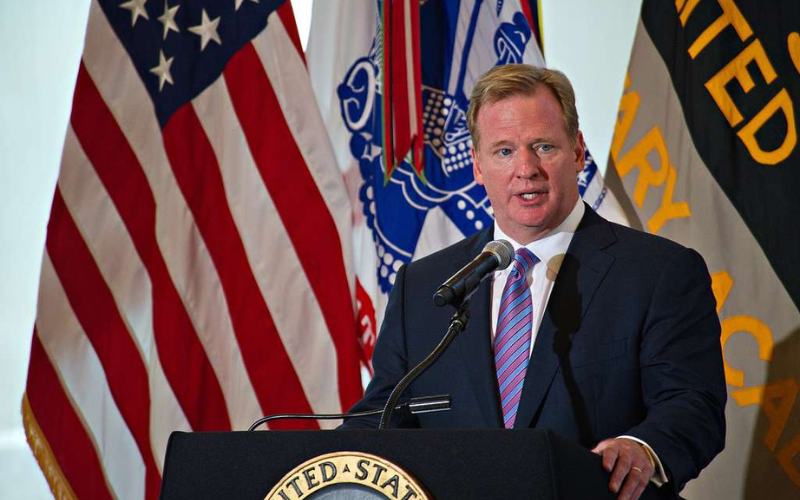
An NFL spokesperson has previously confirmed that while the league does not offer appearance fees, it does cover all production-related expenses. These include travel, staging, lighting, sound, security, dancers and the thousands of crew members required to deliver a live broadcast of that magnitude.
A significant portion of those costs is funded through Apple Music, the halftime show’s title sponsor.
Reports indicate the company pays the NFL around $50 million annually, with roughly $15 million allocated to production budgets for the performance. Artists are given creative control over how that budget is spent, but none of it goes toward a personal paycheck.
The true value of the halftime show lies elsewhere.
Rather than immediate financial compensation, artists receive exposure on a scale unmatched by any other live performance platform.
Recent halftime shows have drawn record-breaking audiences, with last year’s performance reaching more than 133 million viewers and driving sharp increases in streaming and digital engagement.
Bad Bunny has already seen similar momentum. Following his Grammy wins and the halftime announcement, interest in his upcoming tour surged, while his social media following grew significantly.
Marketing expert Peter Koeppel has noted that long-term visibility often outweighs upfront costs, explaining that widespread conversation and cultural impact can deliver value far beyond traditional advertising.
Bad Bunny echoed that sentiment when he framed the performance as a cultural statement rather than a business move. In a statement following the announcement, he said the show would be for “my people, my culture and our history.”
By the time the final note is played, the lack of a paycheck may matter little. For artists like Bad Bunny, the Super Bowl halftime show remains one of the few stages where influence, reach and legacy outweigh money.
Featured Image Credit: (Pitchfork/Wired)