
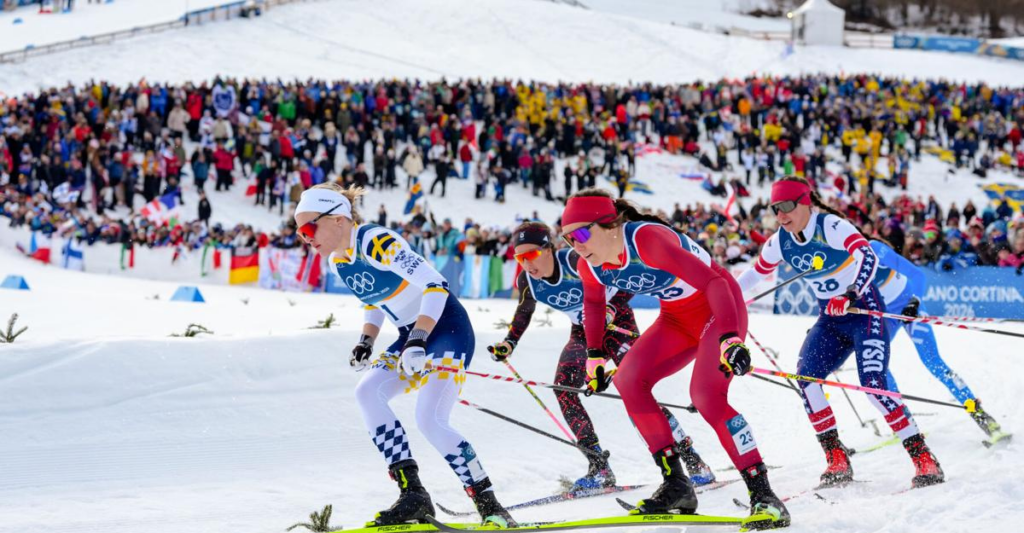
As the Milano Cortina 2026 Winter Olympics approach, organizers continue to highlight the Games as one of the most gender balanced in Olympic history.
Nearly every sport now features events for both men and women, reflecting years of progress toward equality. However, one discipline remains a striking exception.
In 2022, the International Olympic Committee decided not to add a women’s Nordic combined event to the 2026 program. The IOC cited limited audience interest and a lack of diversity in participating countries as key reasons for the decision.
The ruling sparked backlash, particularly as it came alongside the IOC’s announcement that Milano Cortina 2026 would be the most gender balanced Winter Olympics ever.
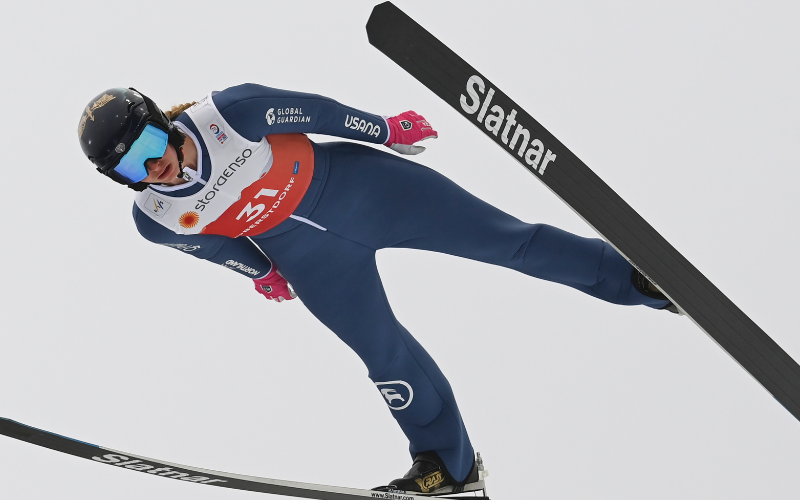
Nordic combined will once again exclude women from Olympic competition, making it the only Winter Olympic sport without a women’s event. The decision has reignited criticism and renewed calls for change from athletes and advocates worldwide.
Nordic combined is one of the oldest Winter Olympic sports, first appearing at the inaugural Games in 1924. It combines ski jumping and cross country skiing, requiring athletes to excel in both explosive power and endurance. Jump results determine staggered start times for the race, with the first athlete across the finish line declared the winner.
Despite its long Olympic history, the sport has never allowed women to compete at the Games. That exclusion has continued even after women’s Nordic combined held its first world championship in 2021, marking a major breakthrough for the discipline.
U.S. athlete Annika Malacinski has become one of the most vocal critics of the decision. She has trained for five years in Nordic combined and competed internationally, believing Olympic inclusion was within reach.
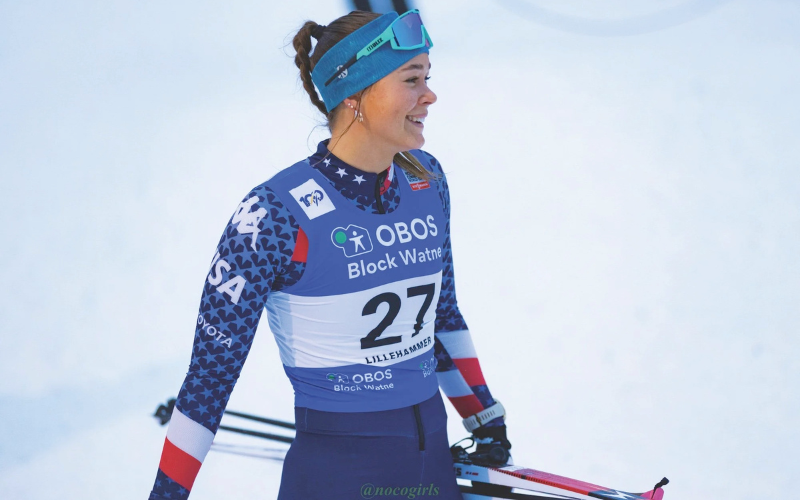
In an op ed, Malacinski revealed she cried for eight hours after learning women would again be excluded from the Games. She emphasized that the issue is not about ability, but opportunity.
“The question has never been whether we’re capable of performing in the sport,” she wrote. “It is whether we’re allowed to jump from the same hill and stand on the same stage as men.”
Malacinski also highlighted broader inequalities in women’s sports, including reduced funding, limited media coverage and fewer competitive opportunities. She argued these gaps directly affect development and visibility, making Olympic inclusion harder to achieve.
Despite the disappointment, she said women in the sport still hold hope and continue to fight for change.
In response to the criticism, the IOC stated it acknowledges the challenges facing Nordic combined and confirmed the sport will undergo a full evaluation after the 2026 Games.
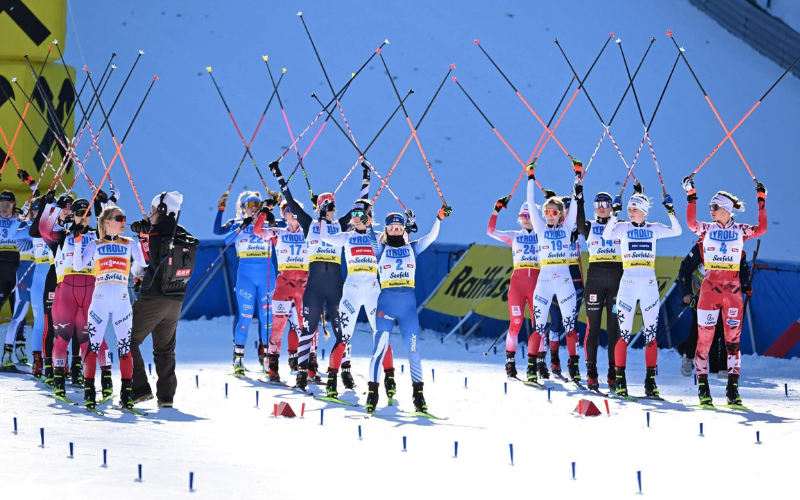
“Following this evaluation, the IOC will take a decision on the inclusion of Nordic Combined for men and women in the programme of the Olympic Winter Games French Alps 2030,” the IOC said.
For now, female Nordic combined athletes remain sidelined, training for an Olympic future that has yet to open its doors.
Featured Image Credit: (The Herald Journal)